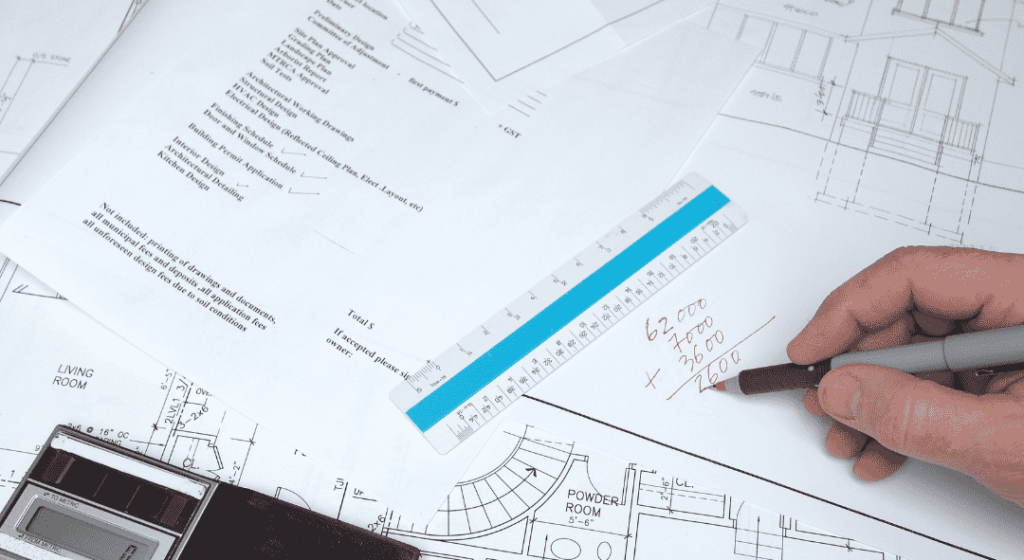
Becoming a better mechanical estimator requires more than simply measuring quantities and applying unit costs. A successful estimator must understand mechanical drawings, project specifications, labor requirements, material pricing, subcontractor scopes, and the factors that can affect construction costs. Accurate mechanical estimating helps contractors prepare competitive bids while protecting project margins.
Whether you estimate HVAC, plumbing, piping, sheet metal, or other mechanical systems, improving your estimating process can help you work faster, reduce costly errors, and produce more reliable bids. Here are several practical ways to strengthen your mechanical estimating skills.
Understand Mechanical Plans and Project Specifications
A strong mechanical estimate starts with a thorough review of the construction documents. Before beginning a takeoff, carefully review mechanical plans, specifications, schedules, details, notes, addenda, and architectural drawings that may affect the mechanical scope.
Look for equipment schedules, ductwork, piping systems, valves, fittings, insulation, controls, fixtures, and other components required for the project. Understanding how the systems work together allows you to identify the complete scope instead of estimating individual items in isolation.
A detailed plan review can also help identify missing information, scope gaps, design changes, and potential conflicts before they become expensive bidding problems.

Improve Your Mechanical Takeoff Process
Accurate mechanical takeoffs are one of the most important parts of construction estimating. A small quantity error can become significant when multiplied across a large project.
Organize your takeoff by system, area, floor, or drawing discipline. Depending on the project, this may include:
- HVAC equipment and accessories
- Ductwork and fittings
- Piping and fittings
- Valves and specialties
- Plumbing fixtures
- Insulation
- Mechanical controls
- Equipment connections
- Hangers and supports
- Sheet metal components
Use a consistent measurement and documentation process so quantities can be checked easily before the estimate is finalized.
Use Estimating Software and Digital Takeoff Tools
Modern construction estimating software and digital takeoff tools can make mechanical estimating faster and more organized. Digital tools can help measure drawings, organize quantities, apply pricing, track revisions, and reduce manual calculation errors.
However, software should support the estimator rather than replace professional judgment. An experienced mechanical estimator still needs to understand the drawings, verify quantities, review specifications, and determine whether the pricing and scope make sense.
The best results come from combining technology with construction knowledge and careful quality control.
Keep Labor and Material Pricing Current
Material and labor costs can change significantly based on location, project conditions, availability, market demand, and construction schedule. Using outdated pricing can result in estimates that look accurate on paper but are not competitive in the real market.
A professional mechanical estimator should regularly review:
- Current material costs
- Local supplier pricing
- Labor rates
- Equipment costs
- Freight and delivery
- Installation productivity
- Regional market conditions
- Subcontractor and vendor quotations
When possible, compare multiple reliable pricing sources and document the assumptions used in the estimate.
Pay Attention to Labor Productivity
Material quantities are only one part of a mechanical estimate. Labor can have a major impact on the final project cost.
Consider installation difficulty, access, working conditions, crew productivity, project location, equipment requirements, and the complexity of the mechanical systems. A project with straightforward materials can still require significant labor if installation conditions are difficult.
Using realistic productivity assumptions helps produce a more dependable mechanical construction estimate.
Review the Complete Scope Before Pricing
One of the most common estimating problems is overlooking part of the project scope. Before finalizing a bid, compare the mechanical drawings against the specifications and other relevant construction documents.
Check whether the estimate includes required accessories, supports, insulation, controls, testing, balancing, commissioning, startup, permits, temporary requirements, and other applicable costs.
A final scope review can uncover omissions before the bid is submitted.
Communicate With Suppliers and Project Teams
Good mechanical estimators know when to ask questions. Communication with suppliers, engineers, contractors, manufacturers, and subcontractors can provide valuable information about current pricing, availability, installation requirements, and project-specific conditions.
Requesting vendor quotes for major equipment and specialty materials can also improve the accuracy of the final estimate.
Clear communication is especially important when drawings contain unclear details, conflicting information, or incomplete specifications.
Review Your Previous Estimates
One of the most effective ways to become a better estimator is to learn from completed projects.
After a project is awarded or completed, compare your original estimate with actual costs whenever the information is available. Look for patterns such as:
- Material quantities that were consistently high or low
- Labor hours that differed from your assumptions
- Equipment or accessory costs that were missed
- Pricing that was outdated
- Scope items that were overlooked
- Productivity assumptions that need adjustment
This process helps you identify weaknesses and continuously improve your estimating methodology.
Build a Consistent Quality-Control Process
Before submitting a mechanical bid, perform a final quality-control review. Verify quantities, pricing, labor, scope, exclusions, alternates, addenda, and mathematical calculations.
A simple checklist can prevent many avoidable estimating mistakes. The goal is not only to produce an estimate quickly but to produce one that can be reviewed, explained, and defended.
Final Thoughts
Becoming a better mechanical estimator takes technical knowledge, practical construction experience, attention to detail, and continuous improvement. Accurate mechanical estimating depends on understanding plans and specifications, performing detailed takeoffs, using current labor and material pricing, applying realistic productivity assumptions, and reviewing the complete project scope.
Technology can make the process faster, but professional judgment remains essential. By developing a consistent estimating workflow and learning from every project, you can create more accurate construction cost estimates, submit stronger bids, and improve your results over time.
If you need professional support with mechanical estimating, HVAC takeoffs, material takeoffs, labor pricing, or construction cost estimates, Apex Accuracy Estimating Inc provides detailed estimating services designed to help contractors bid with greater confidence.